



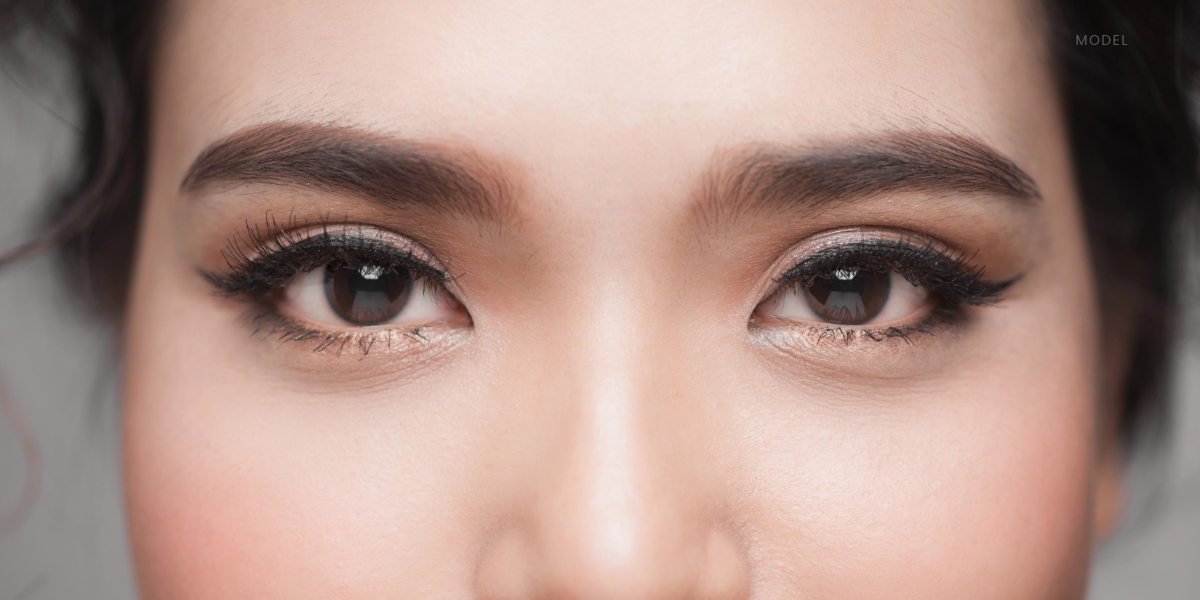
Asian blepharoplasty, also known as double eyelid surgery, is one of the most requested procedures among patients of Asian descent. Many individuals are born without a visible upper eyelid crease, which can make the eyes appear smaller, heavier, or less expressive. At Aesthetix Plastic Surgery in Huntington Beach, Dr. Steve Vu performs Asian blepharoplasty to create a natural-looking eyelid crease while preserving the distinctive features that make your eyes uniquely yours.
With more than 25 years of board-certified surgical experience, Dr. Vu’s approach focuses on subtle enhancement, balanced proportions, and results that honor the beauty of Asian eyelid anatomy.
What Is Asian Blepharoplasty?
Asian blepharoplasty creates a defined upper eyelid crease for patients with naturally monolid or low, indistinct creases. This crease helps:
- Brighten and open the eyes
- Improve symmetry
- Make the eyes appear more expressive
- Provide a smoother surface for makeup
- Reduce heaviness caused by excess skin or fat
The goal is to enhance the eyes while respecting the patient’s ethnic identity. Dr. Vu uses advanced techniques to create a crease that looks stable, natural, and in harmony with your facial features.
Why Choose Dr. Vu for Asian Blepharoplasty?
Asian eyelid anatomy is unique, and performing a safe, natural result requires experience and precision. Dr. Vu is known throughout Huntington Beach and Orange County for his refined approach and ability to produce results that look authentic rather than artificial.
What Makes Dr. Vu Different
- More than two decades of experience with Asian eyelid structures
- In-depth understanding of anatomic differences between Asian and Western eyelids
- Natural, conservative crease design tailored to gender, age, and facial proportions
- Skilled in both non-incisional and incisional techniques
- AAAASF-accredited private surgery center
- Personalized plan that reflects each patient’s aesthetic preference
Dr. Vu’s goal is always to preserve cultural identity while enhancing the eyelid contour in a way that feels balanced and expressive.
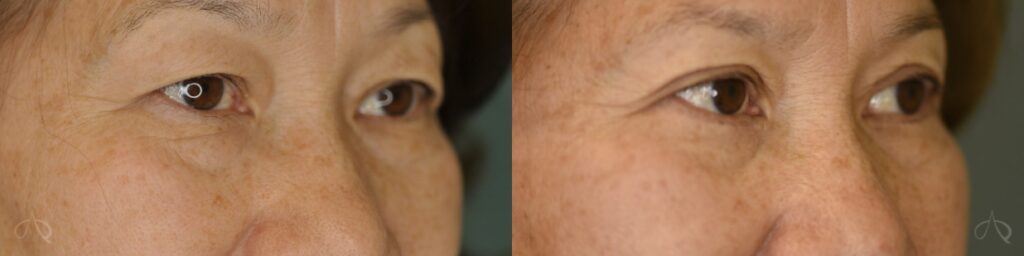
Asian Blepharoplasty Before & After Photos
Best Candidates for Asian Blepharoplasty
You may be a good candidate if you:
- Have a monolid or low, uneven, or unstable crease
- Want a more defined eyelid fold without changing your eye shape
- Are in good overall health
- Are a non-smoker or able to stop smoking before surgery
- Have realistic expectations
- Understand that results vary depending on anatomy, skin thickness, and fat volume
Dr. Vu will carefully evaluate your eyelid structure, lifestyle, medical history, and aesthetic goals during your consultation to determine whether non-incisional or incisional surgery is the better option for you.
Common Asian Eyelid Types
Asian eyelids vary widely, and no single crease design fits everyone. These are the types Dr. Vu evaluates:
- Absent crease (monolid)
- Partial crease that does not extend across the eyelid
- Multiple creases caused by uneven fold formation
- Parallel crease
- Tapering crease
- Tapering crease with lateral flare
Your existing eyelid type helps guide the surgical plan so the new crease appears stable and natural.
How Asian Eyelid Surgery Is Performed
Your treatment plan is based on:
- Skin thickness
- Fat volume beneath the lid
- Eyelid muscle anatomy
- Past procedures
- Desired crease height and shape
Dr. Vu selects one of two primary techniques.
Non-Incisional Approach (Suture Technique)
Best for patients with minimal excess skin and mild fat pockets.
- Tiny openings are made rather than a full incision
- Sutures create a crease by attaching the skin to the levator muscle
- Local anesthesia with sedation is typically used
- Some patients open their eyes during surgery so Dr. Vu can adjust the crease for accuracy
Benefits include a shorter recovery, minimal scarring, and a natural-looking fold.
Incisional Approach
Recommended when there is:
- Excess upper eyelid skin
- Fullness from fat pads
- A desire for a more defined and long-lasting crease
This technique removes a small strip of skin and repositions fat to prevent hollowing. The crease is then shaped and secured for stability.
The procedure typically lasts about one hour. Additional time is allotted for anesthesia preparation and recovery.
Your Asian Blepharoplasty Experience
Step 1: Consultation
Dr. Vu discusses your goals, evaluates your eyelid anatomy, reviews crease shape options, and explains which surgical approach will give you the most natural result.
Step 2: Surgery Day
Your procedure takes place at Mosaic Surgery Center, Dr. Vu’s AAAASF-accredited private operating facility.
- You arrive with a clean, makeup-free face
- Your anesthesia is administered by an experienced anesthesiologist
- Dr. Vu carefully creates or refines your eyelid crease using the planned technique
- You recover on-site with monitored support before going home with a driver
Step 3: Early Recovery
Most patients return home the same day. Dr. Vu provides clear instructions for icing, medication, and activity limitations. Bruising and swelling peak around day three and improve quickly.
Asian Blepharoplasty Recovery Timeline
Day 1 to Day 2
- Mild swelling and puffiness
- Begin icing as instructed
- Avoid washing the upper face for the first 24 hours
Day 3
- Bruising and swelling are most noticeable
- Discomfort is typically mild and manageable
Day 4 to Day 7
- Swelling decreases
- Patients resume light activities
- Makeup can often be applied away from the incision lines
One Week
- Sutures are removed
- Most swelling has resolved
Two to Four Weeks
- Crease becomes more defined
- Residual swelling continues to fade
- Results look increasingly natural
One Month and Beyond
- Final results appear
- Crease settles into a stable, natural-looking position
Asian Blepharoplasty FAQs
-
Will My Eyes Look Westernized?
Asian blepharoplasty does not Westernize the eyes. It enhances the natural shape while creating a crease that feels authentic to your features. The goal is not to change your ethnicity, but to improve your natural eyelid contour.
-
Does The Crease Look Permanent?
Both approaches create a stable crease, but the incisional method offers the strongest long-term stability. Dr. Vu will explain which is better for your anatomy.
-
Is Asian Eyelid Surgery Painful?
Most patients describe the sensation as pressure rather than pain. Ice and mild medication typically manage discomfort.
-
How Soon Can I Return To Work?
Most patients feel ready within one week, depending on swelling and bruising.
-
Can I Choose The Shape Of My Crease?
Yes. Dr. Vu works with you to choose a crease height and shape that complements your facial features. Not every crease style fits every eyelid, so he will guide you to the most natural option.
-
Will People Know I Had Asian Blepharoplasty Surgery?
Most patients simply look more alert and rested. The crease blends naturally with your features once swelling subsides.
Begin Your Asian Blepharoplasty Journey With Dr. Vu in Huntington Beach
If you’re ready to explore how Asian blepharoplasty can enhance your natural eyelid shape, Dr. Steve Vu will walk you through your options and create a personalized treatment plan. For additional information about eyelid procedures, visit our Blepharoplasty page.
Request a consultation to take the next step toward brighter, more expressive eyes.

